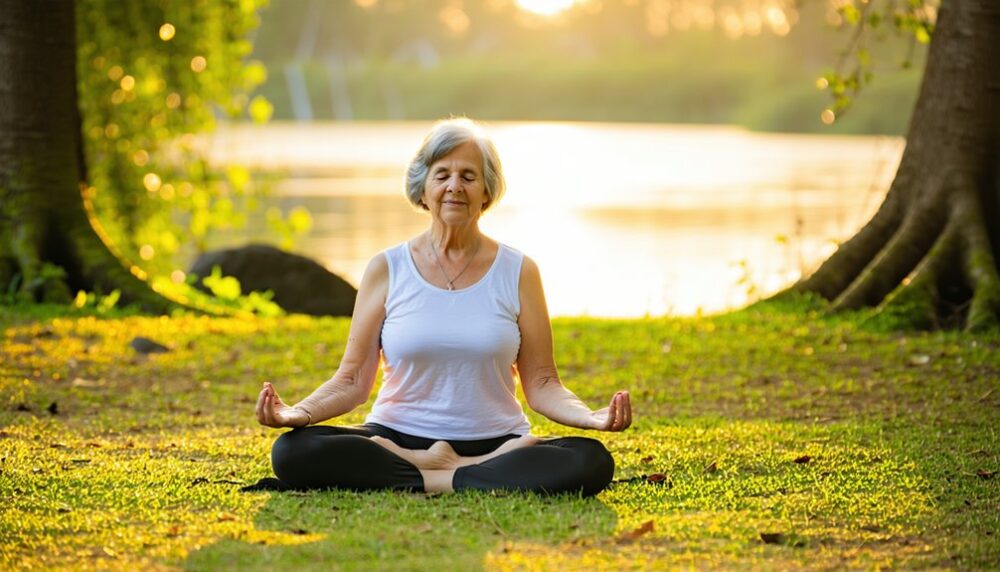
Experts recommend a multifaceted approach to healthy aging, incorporating regular physical activity, balanced nutrition, and adequate sleep. They emphasize maintaining functional ability and reducing chronic disease risk. A healthy lifestyle supports overall wellbeing, and by adopting these habits, individuals can thrive in later life, setting the stage for a future of vitality and continued growth.
What Is Healthy Aging
Healthy aging is about maintaining functional ability, enabling wellbeing in older age.
It involves the interaction between intrinsic capacity and the environment, focusing on environmental fit.
A person’s environment capacity influences their ability to meet basic needs and maintain mobility.
The World Health Organization emphasizes the importance of preserving capacity, not just treating illness.
Healthy aging is a life‑course process, shaped by habits and conditions accumulated over time, and is influenced by the match between a person’s abilities and their environment.
This process is also influenced by intrinsic capacity, which includes mental and physical abilities that can be drawn upon to support overall health and wellbeing.
The key to successful aging is adopting healthy habits early in life to reduce the risk of chronic diseases and maintain physical and mental vitality throughout the lifespan.
As the global population aged 60 and above is projected to increase, with a significant growth occurring at an unprecedented pace, especially in developing countries, it is essential to prioritize healthy aging to mitigate the potential challenges that come with an ageing population.
Importance Of Physical Activity For Older Adults
Regular physical activity is a cornerstone of healthy aging, enabling older adults to maintain their functional ability and overall wellbeing. It helps prevent chronic diseases, such as cardiovascular disease and type 2 diabetes. Community walking and resistance training are excellent ways to stay active. Resistance training, in particular, helps maintain muscle mass and bone density, reducing the risk of falls and injuries. Regular physical activity also provides immediate benefits by improving sleep quality and reducing feelings of anxiety, which is essential for overall health. Adults can aim for at least moderate intensity activities, such as walking, to achieve the recommended 150 minutes of weekly physical activity.
How To Eat For Healthy Aging
Embracing a well-structured diet is essential for older adults to maintain their overall health and wellbeing. A balanced diet with meal diversity is vital, including vegetables, fruits, and whole grains.
Mindutrient timing is also important, with protein-rich foods supporting satiety. Healthy fats, such as olive oil and nuts, should be chosen over saturated fats.
Increasing fiber intake through whole grains, beans, and seeds is also recommended. By following these guidelines, older adults can reduce their risk of chronic diseases and promote healthy aging.
A well-planned diet with variety and balance supports overall health and wellbeing. Older adults should be aware that reduced calorie needs can lead to lower food intake, making it essential to choose nutrient-dense foods to maintain their energy levels. A diet rich in omega-3 fatty acids can help reduce the risk of heart disease and promote healthy aging, which is especially important for older adults to consider when planning their meals. Including fortified foods, such as certain cereals, in their diet can help ensure they get enough essential nutrients like vitamin B12.
Why Sleep Is Crucial For Healthy Aging
Sleep plays an essential role in maintaining overall health and wellbeing, particularly for older adults. Getting 7 to 9 hours of sleep per night is recommended for healthy aging.
Proper sleep timing and Circadian alignment are essential, as they regulate the body’s internal clock. Establishing a consistent sleep-wake schedule helps improve sleep stability.
A sleep-friendly environment and healthy daytime habits also shape sleep quality. By prioritizing sleep, individuals can reduce the risk of disease onset and promote overall health and wellbeing.
Healthy sleep habits are essential for supporting brain health and physical health in older adulthood. Adequate sleep is necessary for memory consolidation, which is vital for cognitive function in older adults.
Regular exercise, such as walking, can also improve sleep quality by reducing stress levels and promoting relaxation, which is crucial for a restful night’s sleep.
Studies have shown that sleeping 7-8 hours per night can increase the likelihood of healthy aging, making it a crucial aspect of overall health and wellbeing.
Benefits Of Staying Mentally Active
As individuals age, maintaining mental activity becomes increasingly important for overall health and wellbeing. Engaging in mentally stimulating activities supports cognitive resilience and promotes Neuroplasticity training. This helps build cognitive function, keeping the mind sharp and active. Regular mental stimulation is linked to better mood, lower depression risk, and healthy aging independence. By staying mentally active, individuals can support their overall quality of life and wellbeing. Mental activity, such as learning new skills and social engagement, is essential for maintaining a healthy and active lifestyle as people age, promoting cognitive health and overall resilience. Engaging in regular exercise can also improve cognitive function and reduce the risk of age-related cognitive decline, which is a key aspect of healthy aging. Additionally, incorporating mindfulness techniques into daily routines can have a positive impact on mental health and overall wellbeing, contributing to a healthier and more balanced life. A well-balanced diet that includes folate is also crucial for maintaining cognitive health and supporting overall brain function.
How To Reduce The Risk Of Chronic Diseases
Maintaining mental activity is just one aspect of supporting overall health and wellbeing in older adults.
Regular physical activity, such as brisk walking, and a healthy eating pattern centered on fruits and vegetables, are essential.
Additionally, avoiding tobacco and limiting alcohol consumption can markedly reduce the risk of chronic diseases.
Practicing mindful breathing and considering Vitamin D supplementation can also be beneficial.
By incorporating these habits into daily life, individuals can take proactive steps towards reducing their risk of chronic diseases and promoting overall health and wellbeing.
A balanced lifestyle is key to healthy aging.
Adopting a lifestyle that includes prevention of chronic diseases through early lifestyle changes can also have a significant impact on overall health.
Engaging in regular screenings can help identify potential health issues before they become severe, allowing for early intervention and treatment.
Embracing a lifestyle with physical activity can greatly contribute to a person’s overall wellbeing and reduce the risk of chronic diseases.
Importance Of Social Connections For Older Adults
How significantly social connections impact the lives of older adults is an essential aspect of healthy aging that warrants attention. Social connections support physical health, mental well-being, and overall quality of life. Engaging in community volunteering and intergenerational mentorship can nurture a sense of belonging and purpose. These activities promote social interaction, which is vital for cognitive flexibility and mental health. Older adults who prioritize social connections tend to have lower blood pressure and a reduced risk of chronic diseases, leading to a longer and healthier life.
Research has shown that strong social ties can reduce the risk of heart disease by up to 29%, highlighting the importance of social connections for older adults.
Studies have also demonstrated that addressing loneliness can lead to improved health outcomes, as social prescribing and other initiatives have been implemented to combat this issue.
Managing Stress For Healthy Aging
Most older adults experience stress at some point in their lives, and numerous studies highlight the importance of effective stress management for healthy aging. Experts recommend regular physical activity, such as nature walks, to reduce stress symptoms. Mindful breathing is also a precious technique, promoting relaxation and calmness. A balanced lifestyle, including physical activity, sleep, and nutrition, supports overall well-being. By incorporating these strategies, older adults can better manage stress and promote healthy aging.
Regular mindful breathing and nature walks can help reduce tension and improve mood, contributing to a healthier and more fulfilling life.
How To Prevent Falls And Injuries
Effective stress management, as discussed earlier, plays a significant role in promoting overall well-being in older adults.
To prevent falls and injuries, experts recommend home modifications, such as removing trip hazards and securing throw rugs.
Medication review is also essential, as certain medications can increase the risk of falls.
Additionally, older adults can benefit from strength and balance training, such as tai chi, to improve flexibility and bone strength.
By taking these steps, older adults can reduce their risk of falls and injuries, promoting healthy aging and overall well-being.
Regular reviews can help identify potential risks.
Why Regular Checkups Are Essential
Numerous health benefits accrue to older adults who prioritize regular checkups, making them an essential component of healthy aging.
Regular checkups support early detection of diseases, better control of chronic conditions, and more effective screening and prevention.
They also facilitate medication reviews, ensuring safe and effective treatment.
Moreover, checkups can help with insurance navigation, financial care, and transportation planning, promoting overall well‑being.
How To Maintain A Healthy Weight
How does one maintain a healthy weight as they age, particularly when physical changes and health conditions can affect metabolism and energy levels?
Experts recommend focusing on nutrient-dense eating patterns, emphasizing whole foods like vegetables, fruits, and lean proteins.
Calorie budgeting and mindful eating are also essential.
Consider meal timing, eating smaller, frequent meals to avoid excessive hunger.
Consider a balanced approach to calorie budgeting, prioritizing whole foods over processed ones, to support weight stability and overall nutrition, rather than restrictive diets, for a healthy and thriving life.
This approach supports overall well-being.
Benefits Of Quitting Smoking For Healthy Aging
Quitting smoking yields deep benefits for healthy aging, markedly enhancing life expectancy and overall well-being.
This improvement is linked to better lung health, as quitting slows the decline in lung function and reduces the risk of COPD.
Additionally, quitting smoking supports stronger bone density, which can help prevent osteoporosis and hip fractures.
By stopping smoking, individuals can substantially reduce their risk of smoking‑related cancers and cardiovascular diseases.
This leads to a higher quality of life, improved physical function, and a reduced risk of death.
Quitting smoking is an essential step towards healthy aging.
Limiting Alcohol Intake For Healthy Aging
Limiting alcohol intake is a vital aspect of healthy aging, as it can deeply impact an individual’s overall well-being and life expectancy.
Experts recommend following moderation guidelines, which suggest drinking limits of no more than 7 drinks per week.
According to guidelines, men should have 2 drinks or less per day, while women should have 1 drink or less.
Drinking in excess can increase risks, particularly for older adults with chronic conditions.
Adhering to these guidelines can help mitigate potential harm, promoting a healthier lifestyle and supporting overall well-being.
Drinking limits are essential for healthy aging.
Creating A Care Plan For Healthy Aging
Creating a thorough care plan is an essential step in promoting healthy aging, as it enables older adults to maintain their independence, manage chronic conditions, and steer the intricacies of the healthcare system.
A comprehensive assessment is essential, covering health status, daily functioning, and finances.
Effective caregiver communication and financial planning are essential components of a care plan, ensuring seamless coordination and support.
By outlining tasks, roles, and responsibilities, older adults can receive personalized care, addressing their unique needs and priorities.
This approach nurtures a sense of belonging and security, ultimately enhancing overall well-being.
Staying Engaged And Active In Later Life
Numerous studies highlight the importance of staying engaged and active in later life, as this varied approach supports overall well-being, cognitive function, and physical health.
Engaging in activities such as volunteer mentoring and participating in intergenerational projects can nurture a sense of belonging and purpose.
Regular social interaction, physical activity, and cognitive stimulation are also essential for healthy aging.
By incorporating these elements into daily life, individuals can maintain their physical and mental health, while also strengthening social bonds and creating a sense of community.
This comprehensive approach promotes overall well-being and a fulfilling life.
Frequently Asked Questions
Can Pets Improve Mental Health?
Yes, pets can improve mental health through pet companionship and stress relief, providing emotional support and reducing cortisol levels, which can lead to improved overall wellbeing.
How Often Exercise Outdoors?
She exercises outdoors daily, embracing fresh air, cardio, and sunlight benefits, while encouraging mental resilience through nature immersion and outdoor socializing, promoting overall well-being.
Are Video Games Beneficial?
She finds video games beneficial, offering cognitive benefits and social interaction, which can enhance overall well-being and quality of life for individuals seeking connection and community.
Can Gardening Reduce Stress?
Experts confirm that gardening reduces stress through soil therapy and connection with soil nutrition, nurturing a sense of belonging and calmness in individuals.
Is Yoga Suitable for Seniors?
Yes, yoga is suitable for seniors, offering mind flexibility and balance training through gentle movements, promoting overall well-being and reduced risk of falls.
References
- https://med.stanford.edu/news/insights/2026/01/healthy-habits-for-successful-aging-60s-and-70s.html
- https://magazine.medlineplus.gov/article/live-long-be-well-science-based-tips-for-healthy-aging
- https://www.uchicagomedicine.org/forefront/health-and-wellness-articles/how-to-age-gracefully
- https://www.mayoclinic.org/healthy-lifestyle/healthy-aging/in-depth/aging/art-20046070
- https://health.clevelandclinic.org/aging-successfully
- https://www.nytimes.com/wirecutter/reviews/advice-longevity-expert-tips/
- https://www.uab.edu/news/health/item/12879-aging-experts-offer-tips-for-longevity-and-health
- https://www.youtube.com/watch?v=Hp25GXQmdoQ
- https://med.stanford.edu/news/insights/2026/01/healthy-habits-longevity-40s-and-50s.html
- https://www.hopkinsmedicine.org/health/wellness-and-prevention/its-never-too-late-five-healthy-steps-at-any-age