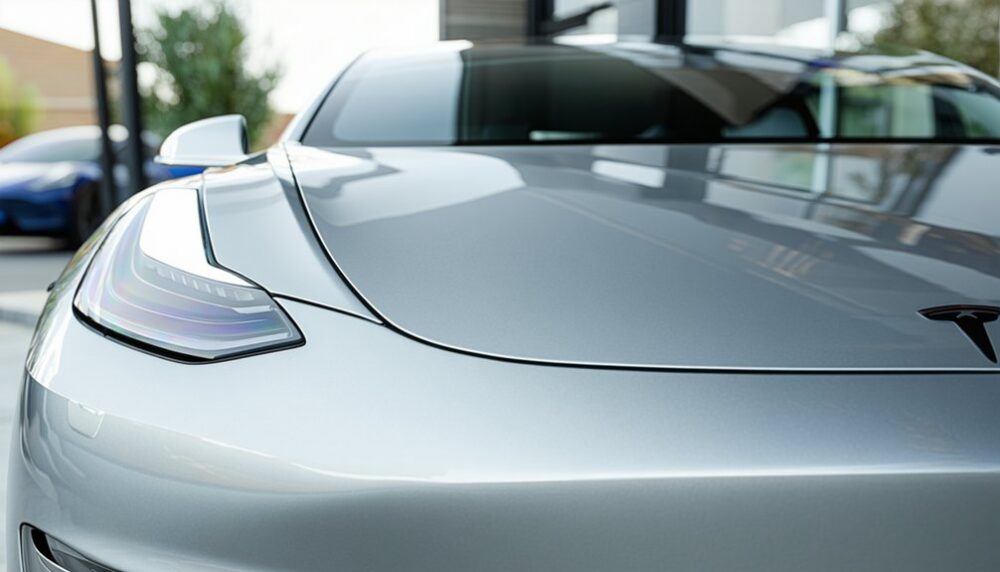
When buying a certified pre-owned EV, several factors are essential. Battery health, warranty coverage, and charging fit are key considerations. A thorough inspection and review of maintenance history are also vital. Understanding these aspects helps guarantee a well-informed purchase decision. By exploring these factors further, one can uncover the subtleties of certified pre-owned EVs and make a confident choice.
Understanding Certified Pre-Owned Evs
A certified pre-owned electric vehicle, or CPO EV, is a used electric vehicle that has been thoroughly vetted and approved under a manufacturer-backed certification program, adhering to defined age, mileage, and condition standards.
CPO EVs meet specific certification standards, ensuring a certain level of quality. These programs often include warranty extensions, providing buyers with added protection.
The certification process typically involves a multipoint inspection, and many programs offer roadside assistance and special financing rates. The purchase of a CPO EV usually comes with a powertrain warranty that provides protection against major repairs, giving buyers peace of mind when making their purchase.
In addition to the standard benefits, CPO EVs may also include a battery warranty that covers the vehicle’s battery and electric motor for a certain period of time, which can be a significant advantage for buyers.
Many CPO EVs also come with an 8-year / 100,000-mile High Voltage battery coverage, providing buyers with long-term protection and peace of mind.
Why Battery Health Matters In Used Evs
Battery health plays a significant role in determining the overall value and usability of a used electric vehicle. The State of Health (SOH) impact is essential, as it affects the vehicle’s range and performance. A lower SOH means reduced range, directly influencing resale-value dynamics. Buyers consider battery health when purchasing a used EV, as it impacts the vehicle’s usability and value. Transparent documentation of battery SOH can increase the selling price and speed of sale. Understanding battery health is essential for informed purchasing decisions, as it markedly affects the overall cost and usefulness of the vehicle. The degradation rate of a used EV can be affected by factors such as high-power charging habits, which can significantly impact the vehicle’s battery lifespan and overall performance. A vehicle with a good battery health report can provide buyers with confidence in their purchase, knowing that the vehicle has been well-maintained and has a longer lifespan. Regular checks using diagnostic tools can help identify potential issues and ensure the battery is functioning properly, which is crucial for maintaining the vehicle’s overall health and performance.
Checking Warranty Coverage For Used Evs
When purchasing a certified pre-owned electric vehicle, verifying the warranty coverage is essential to guarantee the buyer understands the extent of protection provided.
The warranty terms vary widely by brand and model, with some covering EV-specific components like high-voltage batteries and electrical systems.
Buyers should review the contract to confirm the warranty type, start date, and mileage limits.
This is vital when considering EV financing or subscription models, as warranty coverage can impact overall costs.
Understanding the warranty details helps buyers make informed decisions and guarantees a smooth ownership experience.
Warranty coverage is a key aspect of CPO EVs. It is also important to note that powertrain warranty typically covers engine, transmission, and drive axles, which is a crucial factor to consider when evaluating the overall value of a certified pre-owned vehicle.
Many manufacturers offer bumper-to-bumper warranties that cover non-powertrain items, providing additional peace of mind for buyers.
The purchase of a certified pre-owned electric vehicle can also result in significant financial savings due to lower costs, which can be a major advantage for many buyers.
How To Evaluate Charging Fit For Your Lifestyle
Understanding warranty coverage is essential, but it is only one aspect of purchasing a certified pre-owned electric vehicle.
Evaluating charging fit for one’s lifestyle is vital. Daily driving patterns and route length impact whether home charging can cover routine needs.
Charging at home increases convenience, and utility-rate planning is necessary to manage costs. For optimal battery health, it is recommended to charge to a moderate level, such as 80-90 percent, to extend the battery’s lifespan.
Level 1 and Level 2 charging options should be examined, with Level 2 adding more range per hour.
Home charging setup and access to public charging stations are also important factors to examine when purchasing a certified pre-owned EV, ensuring a suitable fit for one’s lifestyle. For those with limited daily mileage, a Level 1 charging option may be sufficient to meet their needs, allowing for overnight charging to replenish the battery.
Considering the range requirements of a vehicle is also crucial in determining the overall suitability of an electric vehicle for an individual’s lifestyle, as it directly affects the choice of home charging solutions and access to public charging infrastructure.
Calculating Total Cost Of Ownership For A Used Ev
Calculating the total cost of ownership for a used electric vehicle involves evaluating various factors that impact its overall expense. The purchase price, EV tax credit, and resale forecasting are essential considerations.
A used EV may qualify for a federal tax credit, reducing the upfront cost by up to $4,000.
Resale forecasting is also essential, as depreciation can markedly impact the total cost of ownership. The overall expense of a used EV is further influenced by its fuel costs, which can lead to significant long-term savings due to lower electricity expenses compared to gasoline. Additionally, studies have shown that used EVs can offer significant cost savings, with some owners saving up to $13,000 over a 10-year period.
Judging Vehicle History And Condition
Evaluating a used electric vehicle’s history and condition is essential in determining its overall value and potential for long-term reliability. A thorough history audit can reveal essential information, impacting resale value.
Vehicle history reports, such as CARFAX or AutoCheck, provide observations into previous ownership and accidents. Additionally, checking for open recalls and software updates is essential. A clean history and well-maintained condition can markedly increase resale value.
The buyer should also consider the battery health and history of the vehicle, which can be determined by using third-party tools or checking the manufacturer’s records, to ensure that the vehicle has been properly maintained and to assess its overall condition.
What To Expect From A Used Ev Test Drive
How thoroughly a used electric vehicle performs during a test drive can considerably impact a buyer’s decision.
A test drive feel that is smooth and responsive is essential.
Evaluating range accuracy is also essential, as it affects the overall driving experience.
Checking the estimated range on the dashboard and comparing it to the actual range driven helps verify range accuracy.
By assessing these factors, buyers can make an informed decision about their potential new vehicle, ensuring it meets their needs and expectations for a reliable and enjoyable test drive feel and range accuracy.
This evaluation is key to a successful purchase.
How Climate And Driving Patterns Affect Ev Battery Life
When considering a certified pre-owned electric vehicle, the test drive experience provides precious understanding into the vehicle’s performance and range accuracy.
Climate impact and charging habits significantly affect EV battery life. Cold weather reduces range, while heat accelerates battery degradation. Driving patterns, such as high-power DC fast charging, also impact battery health. Frequent extreme state-of-charge levels and high daily utilization increase degradation.
Understanding these factors helps buyers make informed decisions, considering the vehicle’s history and usage. Climate and driving patterns are essential in evaluating a CPO EV’s condition and potential longevity, influencing its overall value and performance.
Navigating Federal And Local Incentives For Used Evs
Purchasers of certified pre-owned electric vehicles often find themselves steering through a complex terrain of incentives, with federal and local programs offering a range of benefits to encourage the adoption of environmentally friendly transportation.
A federal tax credit of up to $4,000 is available for eligible vehicles. Additionally, state rebates, such as those offered by California and New York, can provide further savings, with incentives reaching up to $2,000.
These incentives can help make certified pre-owned EVs more affordable, making them a more viable option for those looking to join the electric vehicle community and reduce their environmental footprint.
What Makes A Used Ev Suitable For Your Needs
Ultimately, several key factors determine whether a used electric vehicle is suitable for an individual’s needs. Driving range, battery health, and charging compatibility are essential considerations.
A used EV’s suitability also depends on its technology and feature fit, as well as its vehicle condition and history. Additionally, factors like resale value and insurance cost should be taken into account.
Common Mistakes To Avoid When Buying A Used Ev
Finding a used electric vehicle that meets an individual’s needs is only half the battle, as the buying process itself poses several pitfalls that can lead to costly mistakes.
Buyers must navigate the software market and consider resale-value trends to make informed decisions.
Common mistakes include ignoring battery health, skipping vehicle history, and overlooking charging compatibility.
These oversights can significantly impact the vehicle’s value and performance, affecting its resale value and overall cost of ownership.
The Importance Of Home Charging Access
How essential is home charging access when taking into account a certified pre-owned electric vehicle, given its significant impact on daily convenience, cost, and overall ownership experience?
Home charging is typically more cost-effective, with lower energy tariffs. A home charger allows for overnight charging, reducing the need for public charging. This convenience supports regular plug-in habits, making EV ownership easier to manage.
With a home charger, EV owners can take advantage of lower electricity rates, making charging expenses easier to budget. Home charging access is a key factor to take into account when buying a certified pre-owned EV.
How To Inspect A Used Ev For Damage Or Wear
When considering the purchase of a certified pre-owned electric vehicle, a thorough inspection for damage or wear is essential to guarantee the vehicle’s overall condition and performance.
Inspect the battery’s state of health and charging behavior, ensuring firmware compatibility and reg design integration are up-to-date.
Check for physical damage, corrosion, or leaks around battery-related components.
Verify the vehicle’s exterior and interior for signs of wear, including dents, scratches, and uneven tire wear.
A thorough inspection will help identify potential issues, ensuring a smooth and responsive driving experience.
What To Look For In A Used Ev’s Maintenance History
What constitutes a well-maintained used electric vehicle is largely determined by its maintenance history, which can markedly impact its overall performance, reliability, and resale value.
A thorough review of the vehicle’s history should include battery diagnostics, such as state of health and capacity reports.
Charging habits are also essential, as frequent fast charging can degrade the battery.
Records of home charging on slower AC charging and any issues with the charging port or onboard charger should be examined.
By analyzing these factors, buyers can make informed decisions about their used EV purchase.
Battery diagnostics and charging habits are key.
Finalizing Your Used Ev Purchase With Confidence
Finalizing a used EV purchase requires careful attention to detail, as buyers seek to confirm that their vehicle is reliable, well‑maintained, and accurately represented.
Reviewing financing options and insurance considerations is vital.
Buyers should compare final pricing against market listings and review all fees.
CPO vehicles may qualify for special financing rates, improving affordability.
Understanding warranty and coverage confirmation, vehicle history, and battery health is also essential.
Frequently Asked Questions
Can I Return a Used EV?
She can return a used EV, but it depends on the dealer’s return policy, considering depreciation, and any applicable state laws governing the transaction and potential refund.
Are Used EVS Still Environmentally Friendly?
Yes, used EVs remain environmentally friendly, as their battery manufacturing carbon footprint is offset by a reduced lifespan carbon footprint over their extended battery manufacturing lifespan.
Do Used EVS Require Special Insurance?
They typically don’t require special insurance, but a thorough coverage assessment is necessary, and some insurers offer green pricing, influencing the overall cost of owning a used electric vehicle.
Can I Trade in My Gas Car?
She can trade in her gas car, leveraging trade incentives and tax credits to offset the cost of a certified pre-owned EV, making eco-friendly transportation more accessible and affordable.
Are Used EVS Reliable Long-Term?
Used EVs can be reliable long-term, with minimal battery depreciation, retaining resale value, if properly maintained and managed, ensuring a worthwhile investment for eco-conscious buyers seeking belonging to a sustainable community.
References
- https://www.caranddriver.com/shopping-advice/a69980017/used-electric-car-ev-shoppers-buyers-guide-2026/
- https://www.mercuryinsurance.com/resources/electric-vehicles/tips-to-know-before-buying-used-ev-car.html
- https://dep.nj.gov/wp-content/uploads/drivegreen/pdf/used-evs-info-flyer.pdf
- https://www.consumerreports.org/cars/hybrids-evs/buying-a-used-electric-vehicle-what-to-know-a7139266510/
- https://www.kbb.com/car-advice/buying-used-electric-car/
- https://www.irs.gov/credits-deductions/used-clean-vehicle-credit
- https://pluginamerica.org/learn/used-ev-buyers-guide/
- https://www.bmwusa.com/certified-preowned-all-electric.html
- https://www.reddit.com/r/electricvehicles/comments/11toekn/just_bought_a_certified_preowned_ev_it_was_like/
- https://www.carbravo.com/electric-vehicles-hybrids