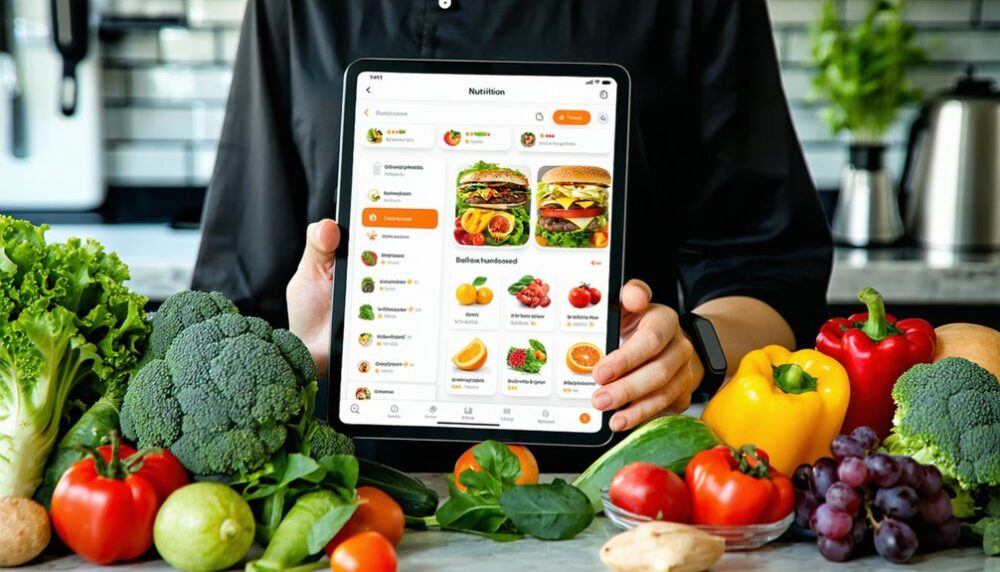
Personalized nutrition is transforming wellness plans by considering individual genetic profiles, metabolic needs, and microbiota composition. This approach improves dietary intake and adherence, leading to better health outcomes. With customized recommendations and support from health coaches, individuals can achieve sustainable, balanced eating habits. As personalized nutrition continues to evolve, it holds promise for revolutionizing the way we approach wellness, and further exploration reveals its full potential.
What Is Personalized Nutrition And How Does It Work
How does a one-size-fits-all approach to nutrition fail to account for the unique characteristics that set individuals apart, and what alternative approach can provide more effective guidance for achieving optimal health?
Personalized nutrition offers a tailored solution, considering factors like health history and lifestyle patterns.
This approach emphasizes diet diversity and optimal micronutrient timing to support individual health goals.
By providing targeted advice, personalized nutrition helps individuals make informed choices, leading to improved well-being and disease prevention.
It’s a unique approach that recognizes individual differences, promoting a sense of belonging and empowering people to take control of their health.
The average American has a Healthy Eating Index score of 58 out of 100, indicating a need for more effective and personalized nutrition guidance to improve overall health and well-being.
Personalized nutrition apps often require users to undergo biological tests to provide accurate recommendations, which can be a crucial step in creating a personalized plan.
Studies have shown that personalized nutrition can lead to significant improvements in health outcomes, particularly when using machine learning to analyze individual responses to different foods and nutrients.
Understanding The Role Of Genetics In Personalized Nutrition Plans
Genetic variation plays a crucial role in determining an individual’s response to different nutrients and diets, thereby influencing their overall health and wellbeing. Gene‑diet synergy and epigenetic modulation are key factors in personalized nutrition plans. Genetic testing provides useful perspectives into an individual’s nutritional needs, enabling customized recommendations.
How Metabolism And Microbiota Impact Your Dietary Needs
Metabolic processes and the gut microbiota play significant roles in shaping an individual’s dietary needs.
The gut microbiota influences calorie absorption, metabolism, and storage, adding a layer of variability beyond calorie intake.
Microbial signaling, through metabolites like short-chain fatty acids, affects glucose and lipid metabolism.
This impacts metabolic flexibility, allowing individuals to adapt to different diets.
A balanced gut microbiota supports metabolic health, while an imbalance is linked to conditions like obesity and diabetes.
Understanding the interplay between metabolism and microbiota is essential for personalized nutrition, enabling individuals to make informed choices that support their unique dietary needs.
The human body’s ability to maintain a healthy balance is also influenced by the presence of diversity in the gut microbiota, which is often linked to a lower risk of metabolic disorders.
Creating A Personalized Nutrition Plan: Where To Start
When establishing a personalized nutrition plan, individuals typically find themselves at a crossroads, wondering where to begin.
They start by setting clear goals, defining primary outcomes, and establishing a realistic calorie framework.
Goal benchmarking is essential, enabling them to track progress and make adjustments.
Habit tracking also plays a significant role, allowing individuals to monitor their eating patterns and make informed decisions.
By combining these strategies, individuals can create a customized plan that suits their needs, setting them up for success in their wellness expedition.
This approach enables effective goal achievement and sustainable lifestyle changes.
A key factor in creating a successful plan is considering the client’s TDEE and using tools like the NASM Calorie Calculator to estimate their calorie target, which helps individuals make informed decisions about their diet and nutrition.
Understanding their daily hydration needs is also crucial for overall health and wellbeing, allowing individuals to make informed decisions about their fluid intake.
They can then use this information to create a balanced and personalized nutrition plan that meets their unique needs and goals.
A well-structured plan should also incorporate a whole-food focus to provide essential nutrients and support long-term health.
The Importance Of Self-Assessment In Personalized Nutrition
Many individuals starting on a personalized nutrition expedition find that a thorough self-assessment is a essential initial step. This process involves reviewing physical exam results, dietary habits, and lifestyle to identify areas affecting nutrition needs. Self-assessment accuracy is essential, as it provides habit-tracking observations that inform personalized nutrition decisions. A key component of self-assessment is maintaining a daily journal to record all foods, snacks, and beverages consumed, which helps track calorie, diet quality, and nutrient intake. Boston University’s School of Public Health offers various online resources, including online programs that can aid in understanding the importance of self-assessment in personalized nutrition. The use of omics data, such as genomic and biomarker information, can also play a crucial role in personalized nutrition by providing a more comprehensive understanding of an individual’s nutritional needs.
Setting Realistic Goals For Long-Term Behavior Change
Setting realistic goals is essential for long-term behavior change. This involves setting small, specific goals and using goal pacing to achieve them.
Habit stacking, where new habits are built upon existing ones, can also be effective. By focusing on achievable steps and tracking progress, individuals can build confidence and momentum.
Realistic goals and gradual progression are key to adherence and motivation, allowing individuals to make sustainable changes that lead to long-term success in their wellness plans. This approach helps individuals stay on track. Individuals can also benefit from breakable steps, which allow them to accept occasional slip-ups and resume their plan the following day, making the process more manageable and increasing the likelihood of long-term success.
By using process goals, individuals can create a clear roadmap for achieving their desired outcomes, which is a crucial aspect of setting realistic goals and ensuring long-term behavior change.
Effective goal setting often involves creating a SMART plan that outlines specific, measurable, achievable, relevant, and time-bound objectives, which helps individuals stay focused and motivated throughout their wellness journey.
How Ai-Driven Meal Planning Tools Support Personalized Nutrition
As individuals endeavor to achieve their wellness goals, personalized nutrition plays an essential role in supporting their efforts, and AI-driven meal planning tools have emerged as a key component of this approach. These tools employ data inputs, such as preferences and health goals, to generate individualized meal plans. The use of smart grocery lists is a notable feature of these tools, allowing users to efficiently plan and shop for their meals. However, concerns surrounding AI ethics and data privacy must be addressed to guarantee the secure handling of sensitive user information.
The Benefits Of Combining Nutrition With Holistic Wellness Practices
Personalized nutrition plans are more effective when integrated with thorough wellness practices. This approach promotes mind integration, recognizing the interconnectedness of body, mind, and spirit.
By combining nutrition with integrated wellness practices, individuals can cultivate emotional resilience and overall well-being.
Integrated nutrition moves beyond food choices, incorporating lifestyle factors like movement, sleep, and stress management.
This collaboration supports improved metabolic function, immune response, and physical function. A well-designed personalized nutrition plan may also consider the effects of Delta-9 on sleep patterns to create a more holistic approach.
Improving Adherence To Personalized Nutrition Plans Through Technology
Numerous studies have demonstrated that technology plays an essential role in improving adherence to personalized nutrition plans. Digital tools, such as mobile health apps and web-based platforms, support diet self-monitoring and provide personalized recommendations.
Gamified tracking and neurofeedback integration can enhance engagement, making it more likely for individuals to stick to their plans. By leveraging technology, personalized nutrition plans can be customized to individual needs, preferences, and medical conditions, leading to better health outcomes.
Technology facilitates real-time feedback and adaptive planning, enabling individuals to make informed decisions about their diet and lifestyle.
Documented Health Outcomes Of Personalized Nutrition Programs
Evidence from various studies emphasizes the effectiveness of personalized nutrition programs in yielding positive health outcomes.
Personalized nutrition advice improves dietary intake, leading to better diet adherence.
Outcome variability is observed across studies, with some reporting significant improvements in cardiometabolic markers, such as triglyceride reduction and improved HbA1c levels.
Overall, personalized nutrition programs demonstrate positive health outcomes, including improved dietary quality, reduced body weight, and enhanced well-being.
By tailoring diets to individual needs, personalized nutrition promotes greater diet adherence and reduces outcome variability, leading to more effective wellness plans.
This approach yields positive health outcomes.
How Personalized Nutrition Can Address Specific Health Concerns
Tailoring dietary advice to an individual’s unique needs can have a profound impact on their health, particularly when it comes to addressing specific concerns such as cardiometabolic risk, blood sugar control, and weight management.
Personalized nutrition can effectively target bloodsoiglyceride management and glucose variability control.
By considering individual responses to foods and dietary patterns, personalized nutrition can improve metabolic markers, including triglycerides and HbA1c.
This approach enables tailored guidance for glucose variability control, ultimately supporting overall wellness and reducing the risk of chronic diseases.
Effective management of these health concerns is essential for achieving optimal wellness.
Implementing Personalized Nutrition Plans: Practical Steps
Personalized nutrition plans are most effective when they are carefully implemented, considering an individual’s unique needs and circumstances.
Implementing a plan involves tracking meal timing, portion sizes, and snacking patterns. Budget constraints are also considered to guarantee the plan is realistic.
A food journal or app can help create an accurate baseline. By evaluating current intake and lifestyle patterns, individuals can set specific goals and measurable targets, taking into account dietary preferences and restrictions.
This approach helps individuals make informed choices, leading to a more effective and sustainable personalized nutrition plan. Meal timing is also adjusted.
The Role Of Health Coaching In Personalized Nutrition Success
Effective implementation of personalized nutrition plans relies heavily on the presence of a supportive structure, where guidance and accountability play essential roles in encouraging sustainable behavior change.
A health coach provides coach accountability, helping clients break unhealthy habit loops and adopt new ones.
Through collaborative goal-setting, clients develop realistic objectives, such as increasing fruit and vegetable intake.
With ongoing support, individuals build confidence and autonomy in making informed food choices.
By addressing biology, lifestyle, and health goals, personalized nutrition coaching promotes sustainable, balanced eating habits, leading to improved overall well-being.
Coaching supports long-term success.
Overcoming Limits And Risks In Personalized Nutrition Adoption
How can the widespread adoption of personalized nutrition plans be achieved when numerous limits and risks threaten to hinder their implementation?
Personalized nutrition faces challenges related to privacy, equity, and policy.
Ensuring privacy and addressing equity concerns are essential for promoting trust and inclusivity.
Strong policy structures can help mitigate risks and support adoption.
The Future Of Personalized Nutrition: Trends And Opportunities
Several key trends are emerging in the sphere of personalized nutrition, driven by advancements in technology, data analysis, and our understanding of the complex interactions between diet, genetics, and health.
AI-driven personalization and multi-omics integration are expected to refine dietary guidance.
As AI ethics and data privacy become increasingly important, personalized nutrition platforms must prioritize transparency and security.
With the integration of wearables, microbiome-guided nutrition, and real-time monitoring, individuals can expect more precise and adaptable nutrition recommendations, ultimately leading to better health outcomes and a stronger sense of community and belonging through shared wellness goals.
Frequently Asked Questions
Is Personalized Nutrition Covered by Health Insurance?
Personalized nutrition is sometimes covered by insurance, but coverage gaps, policy exclusions, and cost sharing apply, with reimbursement contingent on eligibility criteria and provider networks.
Can Pets Benefit From Personalized Nutrition Plans?
Yes, pets can benefit from personalized nutrition plans, optimizing their pet diet with precise nutrient timing to address unique needs and health conditions, enhancing overall well-being.
How Often Should Plans Be Reassessed?
They reassess plans based on individual needs, with assessment frequency and reassessment timing varying from monthly to annually, depending on progress and life changes.
Are Personalized Plans Suitable for Children?
Personalized plans are suitable for children, supporting child growth with customized parental guidance, although evidence is still limited and requires careful consideration of individual needs and circumstances.
Can Personalized Nutrition Help With Allergies?
Yes, personalized nutrition helps manage allergies by identifying allergy triggers and implementing diet customization for customized relief and prevention.
References
- https://www.harmony.care/blog/personalized-nutrition-plans-for-effective-weight-management
- https://pmc.ncbi.nlm.nih.gov/articles/PMC8224682/
- https://pmc.ncbi.nlm.nih.gov/articles/PMC10436119/
- https://navacenter.com/creating-your-personal-wellness-plan-a-holistic-approach/
- https://pmc.ncbi.nlm.nih.gov/articles/PMC9570623/
- https://www.tworoadswellnessclinic.com/blog/personal-wellness-plan
- https://customfitsf.com/services/nutrition
- https://mibellawellness.com/personalized-wellness-plans-health-journey/
- https://journals.lww.com/nutritiontodayonline/fulltext/2019/07000/personalized_wellness_past_and_future__will_the.11.aspx
- https://partnershipforhealthyeating.org/recipes/f/how-to-create-a-personalized-nutrition-plan-that-works-for-you