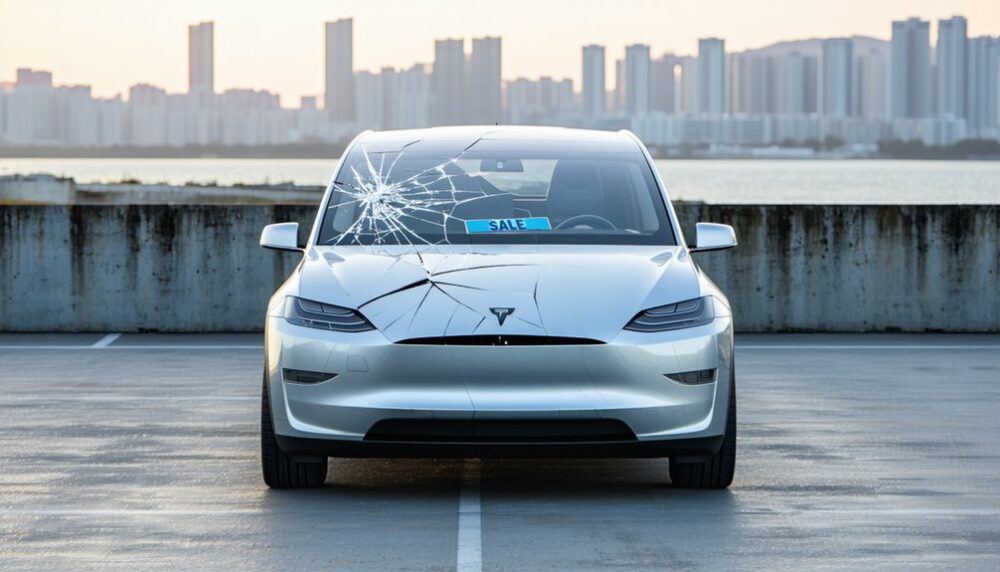
The resale value of electric vehicles is impacted by several key factors. Battery health and warranty are essential, as well as charging speed and infrastructure. Brand reputation, market demand, and vehicle condition also play a significant role. Understanding these factors is essential to determining an electric vehicle’s value. Exploring these influences further reveals the complex dynamics at play in the electric vehicle resale market.
What Affects Electric Vehicle Resale Value
What factors ultimately determine the resale value of an electric vehicle?
Several key elements come into play.
An extensive battery warranty provides buyers with peace of mind, increasing the vehicle’s appeal.
Additionally, tax credits can influence purchasing decisions, affecting resale value.
Brand reputation and market demand also play a significant role.
Established manufacturers tend to retain stronger used‑car prices, while local adoption rates and wider market conditions can impact demand.
The overall condition of the vehicle, including the mileage and maintenance history, is crucial in determining its resale value.
A vehicle’s battery health is also critical, as it directly impacts the resale price and can be influenced by various factors, including driving habits and charging practices.
Regular maintenance, such as using thermal management systems, can help extend the life of the vehicle and improve its resale value.
These factors combined contribute to the resale value of an electric vehicle, making it essential for buyers to take them into account when making a purchase.
Understanding Battery Health And Degradation
Battery health stands as a vital factor in determining the resale value of electric vehicles, with its impact rivaling that of brand reputation and market demand.
A battery’s state of health is a key indicator of its remaining usable capacity. Battery warranty and degradation variance also play significant roles, as they impact buyer confidence and vehicle value.
Most buyers look for batteries with a state of health above 70-75%, with a battery warranty providing additional assurance. Understanding battery health and degradation helps reduce uncertainty, supporting a higher resale value for electric vehicles with documented battery health and active warranty coverage. The replacement costs of batteries, often exceeding ten thousand dollars, also significantly affect the resale value of electric vehicles. Typically, a normal annual loss of around 2% in battery capacity can lead to significant changes in the vehicle’s resale value over time. Buyers are willing to pay a premium for electric vehicles with high battery health, as it directly influences the vehicle’s overall performance and longevity.
How Driving Range Impacts Electric Vehicle Resale
As electric vehicles continue to gain traction in the market, their resale value has become a subject of increasing interest, with driving range emerging as a pivotal factor.
Range perception plays a significant role, as longer driving ranges increase used EV demand.
Crossing market thresholds for acceptable daily use adds measurable resale premium, with every 10 miles of range adding roughly 5% to resale value.
This implies that range improvements have compounding effects on value, making longer-range EVs more desirable and retaining a larger share of original value, ultimately influencing their resale value.
The study found that electric vehicles with higher ranges tend to have better resale value due to reduced range anxiety, and this is a key factor in the decision-making process for many potential buyers.
Well-maintained vehicles, including those with good battery health, are more likely to have a higher resale value, which further emphasizes the importance of proper vehicle maintenance.
The Role Of Charging Speed In Electric Vehicle Value
Given the growing importance of electric vehicles in the market, charging speed has emerged as a significant factor influencing their resale value.
Charging infrastructure and access to fast-charging capabilities are essential. Vehicles with 150 kW or higher charging speeds command stronger resale prices. Firmware updates can also impact resale value by improving charging performance.
A vehicle’s charging speed and history can affect its desirability and supply levels, making it essential for buyers to contemplate these factors. The overall resale value is also impacted by the battery health, which is now considered more important than mileage. Overall, charging speed plays a pivotal role in determining the resale value of electric vehicles, alongside other factors such as battery condition.
Regular monitoring of the vehicle’s state can help track degradation trends and inform charging strategies, which can ultimately impact its resale value. Additionally, the use of Extreme temperatures can significantly affect the battery’s longevity and the vehicle’s overall resale value, as extreme heat accelerates battery degradation and extreme cold reduces range.
Impact Of Brand Reputation On Electric Vehicle Resale
Charging speed is just one factor influencing the resale value of electric vehicles, and buyers must consider other key elements when evaluating a used EV.
Brand reputation plays a vital role, as it shapes brand perception and influences market pricing. A strong brand reputation signals trust and reliability, supporting higher resale prices.
Warranty transfer is also essential, as it reinforces brand credibility and increases buyer confidence. Positive brand perception and warranty transfer can lead to higher resale values, making them essential considerations for buyers in the used EV market. They impact resale value markedly.
The condition of the battery is also crucial in determining the resale value of an electric vehicle, as a well-maintained battery can significantly impact the overall price of the vehicle. A brand’s overall quality and customer service also contribute to its reputation, which can either increase or decrease the resale value of its electric vehicles. The technological progress in the industry is another factor that affects the resale value of electric vehicles, as newer models with improved features can make older ones seem outdated.
Why Model Demand Matters For Electric Vehicle Value
Many factors contribute to the resale value of electric vehicles, and model demand is a vital one. High-demand models generally retain value better due to strong buyer interest.
Regional loyalty and regional incentives can also impact demand, with government rebates and tax incentives increasing used EV demand in certain areas.
Models with strong resale reputations tend to lead in resale rankings, while lower-demand models face faster price declines.
As a result, understanding local market conditions and incentives is essential to determining an electric vehicle’s resale value, making regional loyalty and incentives key factors in model demand.
The condition of the vehicle is also crucial, and a good maintenance record can significantly boost its resale value, as it directly impacts buyer interest and the overall value of the vehicle.
How Vehicle Condition And Mileage Affect Resale
Vehicle condition and mileage substantially influence the resale value of electric vehicles, as they directly impact buyer perception and confidence.
A well-maintained interior and exterior can support a stronger resale price, offsetting typical depreciation.
Interior wear, such as stains or scratches, can affect mileage perception, while significant damage reduces value.
Mileage remains a standard valuation factor, with lower mileage typically resulting in higher resale value.
Overall, vehicle condition and mileage interact to shape buyer confidence and resale value, making them essential considerations for electric vehicle owners.
Clean condition and moderate mileage support higher resale prices.
The Importance Of Service History In Electric Vehicle Resale
Service history plays a significant role in shaping the resale value of electric vehicles, as it directly influences buyer confidence and perception of the vehicle’s condition.
Complete service documentation and warranty proof are essential in reducing buyer uncertainty.
A well-documented service history can help preserve factory warranty coverage and support stronger asking prices.
It includes records of battery cooling-system checks, brake fluid checks, and software updates.
By maintaining accurate service records, sellers can demonstrate proper vehicle care, increasing trust and resale value.
This, in turn, can lead to higher offers and a more successful sale.
How Government Policies Influence Electric Vehicle Demand
Government policies play a vital role in shaping the demand for electric vehicles, with various incentives and regulations influencing consumer behavior and driving adoption.
Government subsidies, such as tax credits, reduce the upfront price gap between EVs and conventional vehicles.
Policy mandates, including zero-emission vehicle mandates, create guaranteed market demand for automakers.
These policies accelerate consumer availability and stimulate innovation.
The Effect Of Rapid Technology Advancements On Resale
How rapidly do technological advancements influence the resale value of electric vehicles?
Technological progress, including software updates, contributes to rapid feature obsolescence. Newer models with improved range, charging speed, and software features can make older EVs seem outdated.
While state incentives and regulatory mandates promote EV adoption, they do not shield owners from depreciation. Rapid innovation increases technological obsolescence risk, putting downward pressure on used‑EV pricing.
As a result, EVs often lose significant value within a few years, making them less competitive in the resale market. This affects buyer confidence and demand for older models.
How New-Car Incentives Impact Used Electric Vehicle Prices
Rapid technological advancements may influence the resale value of electric vehicles, but another significant factor is the impact of new-car incentives on used electric vehicle prices.
New-car incentives can lower used EV prices by reducing the price gap between new and used models.
Incentive timing plays a pivotal role, as large subsidies can create immediate pressure on used prices.
Lease turnover also contributes to this effect, as short lease cycles lead to an influx of nearly‑new EVs in the market, further depressing resale values.
This can ultimately lead to a decline in used EV prices due to increased supply.
The Relationship Between Emissions Policies And Resale Value
Emissions policies play a vital role in shaping the resale value of electric vehicles, as they influence the demand for these cars and create an environment that makes them more attractive to potential buyers.
Emissions incentives and policy stability are crucial in raising used‑EV demand, making EV ownership more attractive. Policy stability reduces market uncertainty, while emissions incentives stimulate manufacturers to produce more EVs. This, in turn, supports downstream resale markets and increases the perceived value of EVs as lower‑emission assets.
Factors Influencing Electric Vehicle Depreciation Rates
As the electric vehicle market continues to evolve, several key factors influence the depreciation rates of these vehicles. Battery health, range, and technological advancements play a significant role.
Software updates can also impact depreciation, as they can improve vehicle performance and features.
Additionally, tax incentives can affect resale value, as they can influence the demand for electric vehicles.
Factors such as brand reputation, demand, and warranty confidence also contribute to depreciation rates.
Comparing Electric Vehicle Depreciation To Traditional Vehicles
Several studies have illuminated the depreciation rates of electric vehicles compared to their traditional counterparts. Electric vehicles depreciate faster, with a 49.1% depreciation rate over five years, compared to 38.8% for traditional vehicles.
Despite tax incentives, electric vehicles’ market-share and penetration are impacted by their higher depreciation rates. This affects their resale value, making them less competitive in the market.
As the electric vehicle market continues to grow, understanding depreciation rates is essential for consumers and manufacturers alike, to make informed decisions and adapt to the shifting automotive environment. Depreciation rates influence electric vehicle adoption.
Strategies For Maintaining Electric Vehicle Resale Value
While electric vehicles depreciate faster than their traditional counterparts, their resale value can be maintained through strategic ownership and maintenance practices.
Proper care, such as keeping daily charging in the 20% to 80% range, is essential.
Maintaining accurate records, including service history and warranty coverage, also supports resale value.
Additionally, keeping software updated can enhance market appeal.
Considering resale market amenities, such as software insurance and warranty, can further protect investments.
Frequently Asked Questions
Can EVS Be Resold Internationally?
Yes, EVs can be resold internationally, subject to global tariffs, export regulations, and consideration of battery-life, often facilitated through specialized resale-platforms.
Do EVS Hold Value in Rural Areas?
EVs hold value in rural areas when supported by rural demand, adequate charging infrastructure, and rural incentives, but battery degradation can negatively impact resale prices in these regions.
Are EVS Insured Differently?
Yes, EVs are insured differently, with higher insurance premiums, but policy discounts can offset costs for responsible drivers, making ownership more accessible and affordable for like-minded individuals.
Can EVS Be Traded in Easily?
EVs can be traded in easily, with trade-in incentives and financing options available, making the process convenient for owners seeking a seamless shift to a new vehicle.
Do EVS Require Special Storage?
She notes that EVs do require special storage to mitigate battery degradation, emphasizing proper charging infrastructure and maintenance to preserve vehicle health and overall value.
References
- https://motorway.co.uk/sell-my-car/guides/electric-car-depreciation
- https://recharged.com/articles/ev-resale-value-guide-2025
- https://www.cnbc.com/2025/10/20/ev-value-price-gas-cars.html
- https://www.youtube.com/watch?v=vRe2PXgyQZI
- https://www.youtube.com/watch?v=EY53b9GGYOg
- https://blog.sellmyelectricvehicle.co.uk/understanding-your-evs-resale-value-and-how-to-improve-it-for-sale/
- https://www.holmanauto.com/ev-resale-value/
- https://www.affinitiv.com/blog/determining-the-ev-resale-value-4-contributing-factors/
- https://www.carexpert.com.au/guides/electric-vehicles/resale-value-of-e-vs
- https://www.holmanfordmapleshade.com/resource-library/ev-resale-value/