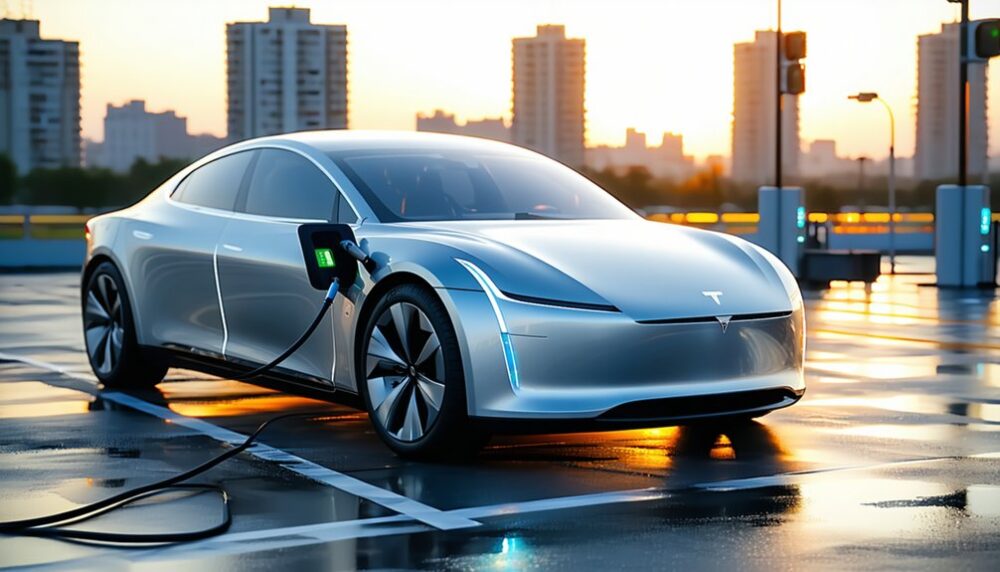
New buyers should understand that EV ownership costs comprise upfront prices, incentives, and long-term savings. Federal and state incentives, such as tax credits, can markedly reduce EV prices. They also offer substantial fuel and maintenance savings over time. As they examine EV options, they will uncover more about the benefits and costs associated with electric vehicle ownership and how it can impact their budget.
Understanding Upfront Ev Costs
Several factors contribute to the upfront costs of electric vehicles, with new EV prices typically exceeding those of comparable gas-powered cars. Battery costs drive much of the premium, accounting for 30% to 40% of the cost. Battery subsidies can help offset these costs. Additionally, the overall average ownership cost, including fuel expenses, is a significant factor to consider when evaluating the total cost of owning an electric vehicle. Considering resale value is also essential, as it affects the overall cost of ownership. The base price of a Tesla Model 3 is around $37,990 , which is one of the key factors that new buyers should consider when evaluating their options. The price gap between new EVs and petrol cars is narrowing due to economies of scale as EV sales increase, making electric vehicles more affordable for consumers. Understanding these factors helps buyers make informed decisions, encouraging a sense of belonging in the EV community.
How Federal And State Incentives Reduce Ev Prices
Federal and state incentives play a substantial role in reducing the upfront costs of electric vehicles, making them more competitive with their gas-powered counterparts.
The IRS offers a new clean vehicle credit worth up to $7,500, affecting tax eligibility.
To claim this credit, individuals must file Form 8936 with their tax return.
Tax filing for the year of delivery is required, and eligibility depends on factors like battery capacity and vehicle weight.
These incentives can markedly lower EV prices, making them more accessible to buyers and influencing their tax eligibility during tax filing.
Many states provide tax credits and exemptions to encourage the adoption of electric vehicles, which can also impact the overall cost of ownership.
The federal credit is no longer available for purchases made after September 30, 2025, with contract timing being a crucial factor in determining eligibility.
Additionally, the MOR-EV Rebate Program offers rebates for the purchase or lease of eligible electric vehicles, further reducing the costs associated with EV ownership.
Comparing Fuel Costs: Electricity Vs Gasoline
How do the fuel costs of electric vehicles compare to those of their gasoline-powered counterparts, and what factors influence this comparison? The answer lies in regional charging costs and fuel-price volatility.
Home charging often makes electricity cheaper per mile, with U.S. EV drivers paying one-third to one-half as much as gasoline-car drivers. However, public charging can narrow this advantage.
Regional charging rates vary, affecting the cost comparison.
Fuel-price volatility also plays a role, as local energy prices shape real-world fuel-cost differences.
Understanding these factors helps new buyers make informed decisions about EV ownership costs. The overall cost of owning an EV is also impacted by the residential electricity prices, which rise slowly and are regulated, allowing for potential off-peak TOU discounts. Additionally, the cost per mile for EVs is influenced by the electricity price, which can be calculated using the average EV’s energy consumption of approximately 0.30 kWh per mile. According to a study, the time‑burden cost for luxury EV users can be significant, and it is essential to consider this aspect when evaluating the total cost of EV ownership.
Calculating Annual Savings From Ev Fuel Efficiency
Many electric vehicle owners can reap significant financial benefits from the fuel efficiency of their cars. Calculating annual savings from EV fuel efficiency involves considering miles driven, local electricity rates, and vehicle efficiency.
While charging grid incentives and Battery lifespan are important factors, they also impact the overall cost of ownership. By estimating annual fuel costs and comparing them to gasoline-powered vehicles, owners can determine their potential savings.
With the right information, new buyers can make informed decisions about EV ownership and enjoy the benefits of reduced fuel costs and a longer Battery lifespan. Savings can be substantial. Typically, drivers can save around $800 annually by switching to an electric vehicle, which can lead to significant long-term financial benefits. The potential for savings is highest in regions with high gasoline prices and low electricity costs, making electric vehicles a more economical choice for many drivers. According to recent data, average U.S. EV drivers saved 8.3 ¢ per mile on fuel and maintenance, resulting in significant cost savings over time.
What Drives Higher Maintenance Costs In Gas Vehicles
Several factors contribute to the higher maintenance costs associated with gas vehicles, especially the increased likelihood of repairs as vehicles age. Tire inflation and parts shortages are key drivers of these costs.
As vehicles accumulate miles, tire wear becomes a significant expense, exacerbated by rising replacement tire prices. Parts shortages lead to delays and increased downtime, further adding to maintenance bills.
These factors, combined with other intricacies, result in higher maintenance costs for gas vehicles, making them a significant consideration for owners. Regular maintenance, such as checking tire inflation, can help mitigate some of these costs. The overall maintenance spend is also influenced by the labor rates, which have been rising due to a qualified-technician shortage, impacting the overall cost of ownership.
The need for drivetrain repairs becomes more necessary as vehicles age, adding to the overall maintenance expenses and highlighting the importance of planning for such costs. Additionally, the integration of advanced technology in modern vehicles also contributes to higher maintenance costs, as it often requires specialized tools and expertise to repair.
How Evs Save On Repair And Maintenance Over Time
As electric vehicles continue to gain popularity, one of their most significant advantages becomes increasingly apparent: lower repair and maintenance costs over time.
EVs have fewer moving parts, reducing the need for spare parts and repairs. A typical battery warranty provides coverage for many years, minimizing battery-related upkeep.
With fewer parts to replace, EV owners can expect to save on maintenance costs. Overall, EVs offer a more cost-effective ownership experience, with lower repair and maintenance costs compared to traditional gas-powered vehicles, making them an attractive option for those looking to belong to a community of sustainable vehicle owners.
Factors Affecting Ev Insurance And Registration Costs
Electric vehicle ownership costs extend beyond repair and maintenance, with insurance and registration costs playing a significant role in the overall expense of owning an EV.
Insurance premiums are influenced by factors such as vehicle value, repair complexity, and technology impact.
State fees and registration costs also vary, affecting overall ownership costs.
Driver rating and policy discounts can lower coverage premiums.
Insurance underwriting considers repair complexity and technology impact, leading to varying premiums.
Maintenance savings can offset higher insurance costs, making EV ownership more affordable.
Understanding these factors helps new buyers make informed decisions about EV ownership.
Breaking Down Home Charging Infrastructure Costs
Home charging infrastructure costs are a crucial consideration for prospective EV owners, since they can greatly impact the overall expense of owning an electric vehicle.
The cost of a Level 2 home charger can range from $380 to $690, with installation costs adding around $1,300.
Considering the battery lifespan and grid integration, homeowners can optimize their charging setup. Utility rebates and time-of-use rates can reduce costs, making home charging a cost-effective option.
With the average cost of fully charging a battery being around $6, home charging is a practical choice for EV owners, reducing reliance on public charging.
Public Charging: Convenience And Cost Considerations
Public charging infrastructure plays a significant role in the overall ownership experience of electric vehicles, offering convenience and flexibility for drivers on-the-go.
When considering public charging, it is crucial to conduct a network charger comparison to find the best rates.
Pricing varies by charger type, with costs ranging from $0.20 to $0.60 per kWh.
Some networks offer subscription pricing, which can affect the final bill.
By understanding the different pricing structures, drivers can make informed decisions about their public charging needs, optimizing their experience and minimizing costs.
This helps drivers feel connected to their community.
Evaluating Total Cost Of Ownership For Evs
When considering the overall expenses associated with owning a vehicle, purchasers must evaluate numerous factors, including purchase price, depreciation, insurance costs, maintenance and repair, and energy or fueling costs.
Evaluating total cost of ownership for EVs requires careful consideration of these factors. Higher upfront prices, driven by battery costs, contribute to depreciation. Insurance costs are also higher, partly due to perceived battery-fire risk. However, lower maintenance and fueling costs can offset these expenses, ultimately affecting the overall calculation of battery depreciation and insurance costs.
This thorough evaluation helps buyers make informed decisions.
How Driving Patterns Impact Ev Ownership Economics
As annual mileage drives the largest swing in EV operating economics, it becomes apparent that driving patterns play a pivotal role in determining the overall cost of ownership.
Charging mileage patterns markedly impact savings, with higher mileage increasing the value of EV fuel savings.
Regional price impacts also affect costs, as electricity rates and gasoline prices differ across regions, influencing the economics of EV ownership.
Understanding these factors helps new buyers make informed decisions about EV ownership, considering their unique driving habits and regional circumstances to maximize potential savings.
This perspective is key to steering EV ownership economics.
Maximizing Savings With Access To Home Charging
Access to home charging is a crucial factor in maximizing savings for electric vehicle owners, given that it typically delivers the lowest per-mile fuel cost.
Home charging is generally the cheapest option, with an estimated cost of $0.03 per mile.
Utilizing smart charging and taking advantage of grid incentives, such as off-peak charging, can further reduce costs.
By scheduling charging sessions overnight, owners can lower their monthly electricity bills.
Smart chargers support scheduled charging, making it easier to automate and maximize savings.
Access to home charging ultimately reduces dependence on higher-priced public charging.
Navigating Ev Tax Credits And Incentives
How do electric vehicle owners navigate the complex landscape of tax credits and incentives that can significantly impact the overall cost of ownership?
They must consider tax credit timing, as federal new clean vehicle credits ended for vehicles purchased after September 30, 2025.
Although battery recycling is not directly tied to credits, owners can explore state rebates and credits.
California, Massachusetts, and New York offer various incentives, such as rebates and exemptions.
Understanding these credits and incentives is crucial for minimizing costs and maximizing benefits, making electric vehicle ownership more accessible and affordable for many.
Long-Term Savings: Evs Vs Traditional Gas Vehicles
Electric vehicle owners often weigh the higher upfront costs of their vehicles against the potential long-term savings. They consider factors like battery degradation and its impact on overall costs.
Long-term savings can be significant, with lower fuel and maintenance costs. Charging grid integration also plays a role, as home charging often delivers the strongest savings.
With fewer moving parts, EVs typically require less maintenance, reducing costs over time. As a result, EVs can offer substantial long-term savings, making them a viable option for those who plan to own their vehicle for an extended period.
Making An Informed Decision On Ev Ownership Costs
The decision to own an electric vehicle is a complex one, influenced by various factors that impact overall costs. To make an informed decision, buyers should consider the total cost of ownership, including upfront purchase price, charging equipment, and maintenance.
As the industry evolves, advancements like battery recycling and Charging‑network expansion will continue to shape the ownership experience.
Frequently Asked Questions
Can I Charge My EV at Work?
They can charge their EV at work, often in office parking areas with dedicated office charging stations, but permission and registration are typically required by their employer.
How Long Do EV Batteries Last?
EV batteries typically last 15-20 years, with gradual battery degradation, and are backed by warranty coverage, often 8-year, 100,000-mile, ensuring a long and reliable service life.
Are EVS Safe in Accidents?
Evs are safe in accidents, with strong crash safety records and low battery fire risks, offering overall protection comparable to conventional vehicles.
Can I Tow With an EV?
They can tow with an EV, considering towing capacity and potential battery strain, considering the vehicle’s specifications and manufacturer guidelines for safe and efficient towing practices always.
Do EVS Have Spare Tires?
They often lack a spare tire, opting for tire replacement options and sealant kits, with some models offering no spare tire storage, instead prioritizing efficiency and weight reduction.
References
- https://advocacy.consumerreports.org/wp-content/uploads/2020/10/EV-Ownership-Cost-Final-Report-1.pdf
- https://pluginamerica.org/evs-still-have-the-lowest-total-cost-of-ownership/
- https://ev.com/news/true-cost-of-ev-ownership-over-5-years
- https://www.kbb.com/car-advice/hidden-costs-owning-electric-vehicle/
- https://www.greencars.com/greencars-101/owning-an-electric-car
- https://www.caranddriver.com/shopping-advice/a65172065/owning-an-electric-vehicle-true-costs/
- https://www.ace.aaa.com/automotive/advocacy/true-cost-of-electric-vehicle-ownership.html
- https://www.youtube.com/watch?v=riF6t_rJPSA
- https://www.berlincitylexus.com/buying-resources/ev-costs-and-savings/
- https://www.reddit.com/r/electricvehicles/comments/1c1wiwk/hidden_costs_of_ev_ownership/